by Liam Walsh
Whatcom County Councilmember Kaylee Galloway is one of the leading voices for climate action in the community. Her work includes the county’s Climate Action Plan, which aims to reduce emissions and mitigate the impacts of climate change.
Galloway was first elected in 2021, and is currently serving her second term after her re-election in 2025. She volunteers on the Whatcom County Climate Impact Advisory Committee as well as the Regional Fisheries Coalition. “I’m kind of what you might call the go-to Councilmember on these issues,” Galloway said. “I got my fingers in a lot of areas, and, as you start to piece together all these moving pieces, you just realize how big of an issue this issue is for our county.”
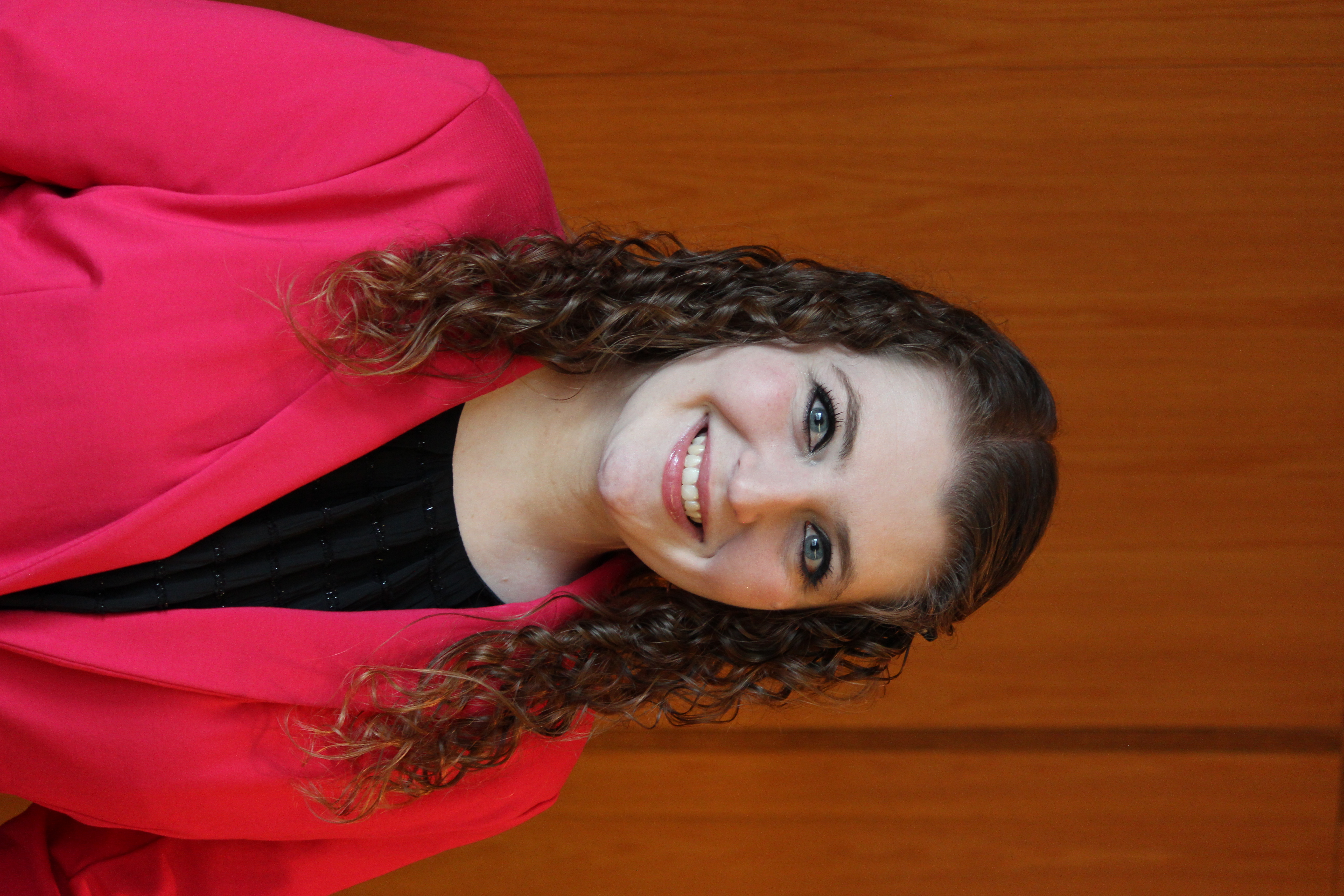
photo: Cathy Halka, Clerk of the Council
Whatcom County Councilmember Kaylee Galloway.
Galloway grew up in the Snoqualmie Valley and had an interest in politics from a young age. “My inspiration for politics and government started in high school,” Galloway said. “I participated in the Washington State Legislature’s page program. As a page for a member of the House, I got to learn a little bit about Olympia, and also participated in a training geared towards encouraging young women to run for political office.”
Western Washington University
Galloway then attended Western Washington University where she studied politics, philosophy and economics, minoring in law, diversity and justice and energy policy. It was at Western where she became interested in various issues around economics, education, environment, natural resources and climate. In her third and final year at Western, she was elected to be the Associated Students Vice President for Government Affairs. “That’s where I started to really see the practical application of the political science degree in kind of a real world government scenario,” she said.
Before running for county government, Galloway worked in Washington, DC, under Senator Maria Cantwell. She then worked for Congresswoman Suzan DelBene representing parts of Whatcom and Skagit counties, so Galloway was her sort-of northern counties’ community liaison. She also spent time working for representatives Debra Lekanoff, and Sharon Shewmake.
Her passion for climate advocacy had been growing steadily, but it was her work as a volunteer on the Climate Impact Advisory Committee working on the county’s Climate Action Plan where she began to understand the impact she could make. “It just became abundantly obvious to me that, even though we regard climate change as a global issue, there’s a lot of really localized actions that we can take as a county government to affect change,” Galloway said. “So I got really inspired by kind of addressing a really big issue at a local level, and that’s really kind of inspired my service.”
Climate Action Plan
Since her election in 2021, Galloway has been one of the strongest political leaders for climate in the county. One of her biggest achievements was co-authoring the Climate Action Plan, a comprehensive outlook for how Whatcom County can reduce emissions and combat the effects of climate change. “In terms of the built environment, we’re really having these tough conversations about things like, where to grow, how to grow and how to keep people and property out of harm’s way,” Galloway said.
The plan is comprehensive, and covers issues of transportation, agriculture, energy, ecosystems, flooding, land use and landfill waste. The plan was implemented in 2021, and since then, significant progress has been made on the plan’s goals.
Areas of progress include transportation and land conservation. The City of Bellingham has installed 90 electric vehicle plugs and 1,920 acres of private land have been protected by the Whatcom County Conservation Easement Program. The county has also made strides in wildfire preparedness programs. While significant progress has been made, much of the plan is still in progress.
Climate Problems Facing Whatcom County
“More and more we’re starting to see climate impact the daily lives of our community members,” Galloway said. “Flooding seems like the biggest, most front and center example, and I think we’re going to find that a lot of our rural community members are going to be disproportionately impacted by climate.”
One of Galloway’s current priorities is flood response and recovery primarily focused around the communities of Everson, Sumas and Nooksack. She highlighted that many residents were still recovering from the 2021 floods when the 2025 floods happened.
“From my vantage point, our county is very potentially climate impacted,” Galloway said. “We have a lot of our communities developed along the shorelines, which are going to be potentially impacted by coastal flooding and sea level rise. A lot of our communities live along the river, which, again, are impacted by flooding.”
Another significant climate impact Galloway highlighted was wildfires. “What used to be an Eastern Washington issue is also becoming a Western Washington issue,” Galloway said. “Some of our communities who are at the wildland urban interface, like Sudden Valley, Geneva, and the Kendall-Columbia Valley area along the foothills, are potentially more at risk of wildfire.”
Lake Whatcom Watershed
Another concern of Galloway’s is the Lake Whatcom Watershed. The city of Bellingham is currently embarking upon a climate vulnerability assessment for the Lake Whatcom watershed. “I think the climate vulnerability assessment will tell us that our watershed is quite vulnerable, and it’s the drinking water source for about half of the county’s population,” Galloway said.
Concerns surrounding the watershed include slope stability, landslides and runoff, recreational pollution, and invasive species. One solution for this problem is the Lake Whatcom Forest Management Plan, a collaborative effort aiming to protect water quality, enhance forest health, and support responsible recreational access in the watershed. Implementation of the Lake Whatcom Forest Management Plan is a key priority for Galloway.
Local Successes
One major success Galloway highlighted was the inclusion of a climate element in the county’s Comprehensive Plan. Galloway argued that this was a huge step, as the county is committed to addressing the impacts of climate change such as flooding and wildfire risk.
Another success has been the completion of the county’s Future Shorelines: Whatcom County Vulnerability Assessment and Shoreline Management Solutions Report, a document that analyzed how flooding and sea level rise will impact the future of the community. “With increasing magnitudes of flows in the Nooksack River during the wet season and rising marine waters in Puget Sound, the county’s riverine and marine shoreline communities, ecosystems, and infrastructure are increasingly vulnerable to flooding and erosion.”
While the outlook of the document is bleak, Galloway argues that it is absolutely critical to understand the scope of the problem, and that the completion of the assessment is a huge success.
Another success Galloway highlighted was the county’s plan surrounding mitigation of the negative effects of smoke and heat. “Wildfire smoke and extreme heat events have increased in recent years, posing various problems for the health and well-being of residents. These events are especially harmful for the county’s most at risk populations, such as outdoor workers, older adults, those with existing cardiovascular and respiratory conditions, and overburdened communities.”
Solutions posed by the county include, supporting climate-informed forest habitat management, protecting outdoor workers, improving air filtration and developing and implementing neighborhood outreach campaigns.
Barriers for Climate Action
Despite the efforts of Galloway and others, there are still significant challenges facing climate action in Whatcom County. “Right now, our biggest barrier is financial,” Galloway said. We’ve seen substantial shifts in the federal level, not just in policy, but also in budgets. The federal administration just doesn’t quite value climate or environment natural resources.”
Galloway also highlighted turbulence in funding coming from the state. “We’re also seeing some shifts at the state level. We’ve got the Climate Commitment Act, but there’s this growing tension about how to spend those funds, and also just sort of a declining interest in spending general fund dollars towards natural resource related issues.”
According to Galloway, these political shifts have left Whatcom County without a stable revenue source dedicated to climate policy. “It’s just not nearly enough for the amount of challenges that we face,” she said.
However, Galloway emphasized that continued community support is a significant factor in the county’s decision-making, and local political action can make a difference. “For those who are interested in these issues, continue to engage your city and county governments. If we know the community has the will and the interest to push for these issues, that helps us,” Galloway said. “When tough decisions are made, they are often informed by our community’s priorities.”
___________________________________________
Liam Walsh is a senior at Western studying journalism with a news/editorial focus. In his free time, he plays on the Western rugby team and enjoys hiking and swimming.